BETWIXT the Tides
A Dark Lab Quarterly newsletter
Stay connected with the latest through our newsletter of happenings at Dark Lab. Betwixt the Tides is the Lab's seasonal dispatch from the shoreline where we share news, reflections, research, book tour events, artist residencies, public programs, field notes, and opportunities to gather. Follow along as we trace the changing currents of climate, culture, and creativity from Governors Island to Manhattan to the Bronx and beyond.
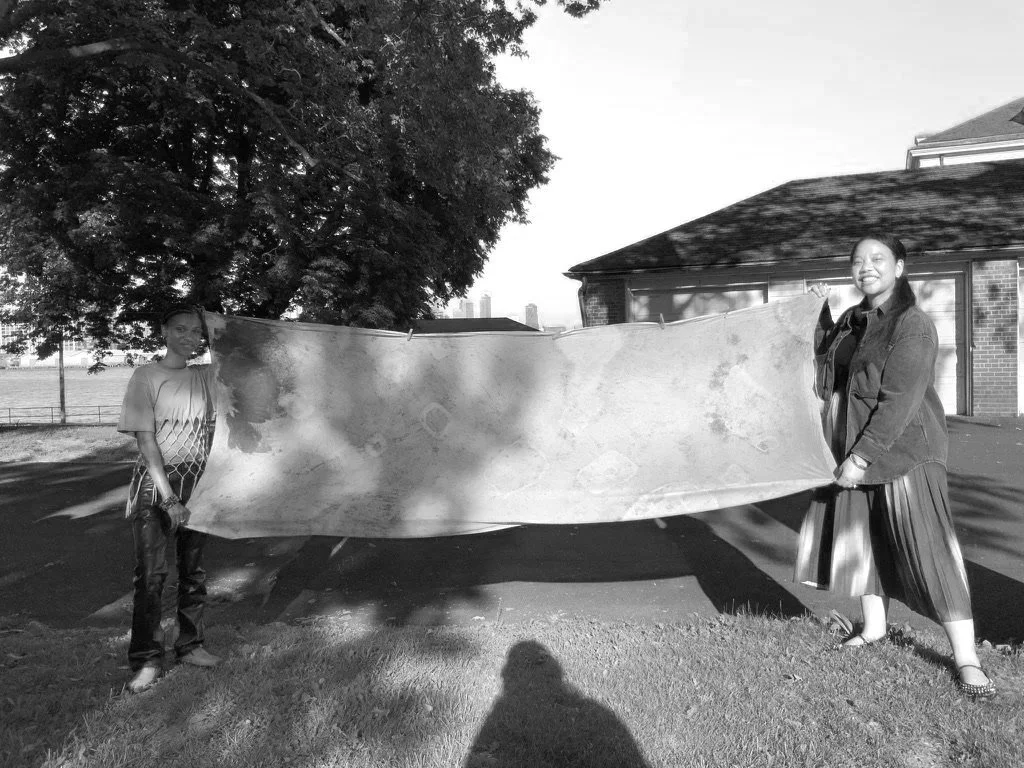
Q2: Betwixt the Tides- Dark Lab Newsletter
The inaugural issue of the Dark Lab newsletter.
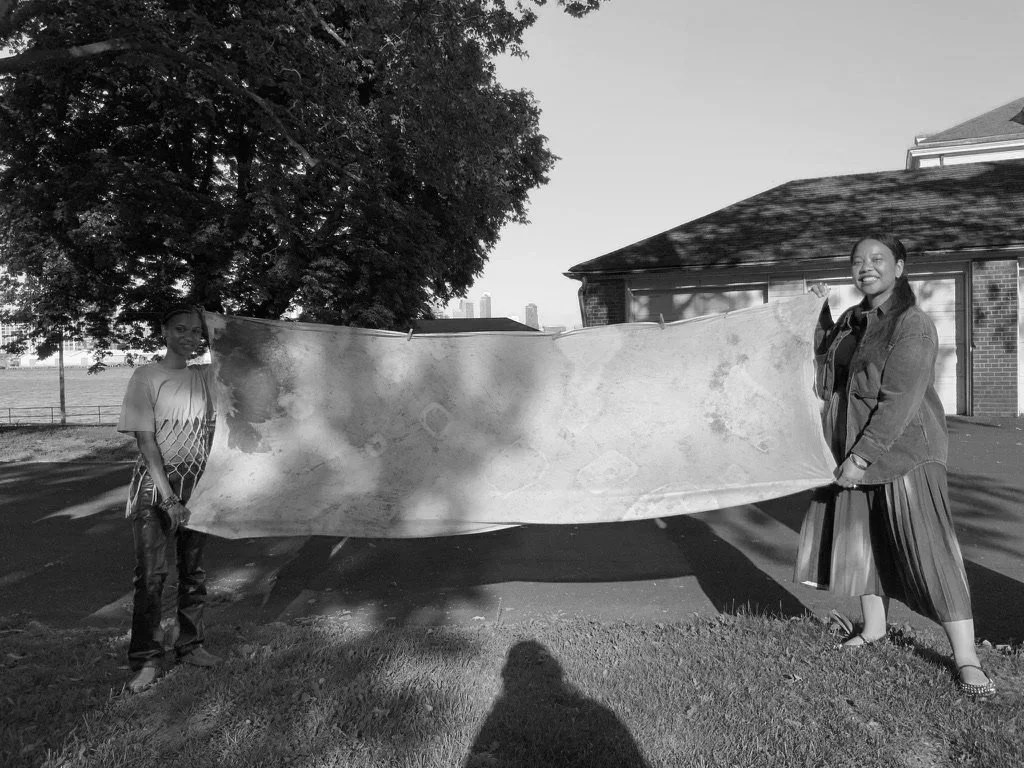
Reflections on the calendar year through the Spring Equinox, June 21, 2026.
BETWIXT THE TIDES is the new Dark Laboratory’s Quarterly Newsletter, connecting our global fractal community with the cycles of our planetary ecosystem. Our dedication to intellectual life both inside and outside of the classroom will be shared here and by email with our network through updates on activations, exhibition, workshops, fetes, and functions.
This Inaugural Edition reflects on 2026 so far as a season of renewal after an introspective winter, the Year of the Fire Horse and Carnival season.
Wisdom from the waters:
Tidal currents are generated by gravity, the pull from the Sun and the Moon, creating waves. As tides rise, the increase generated by the waves flows inland, toward bays, harbors and estuaries, creating floods. As the tides fall, a drop in water height and shift in it’s direction creates the ebb, flowing back into the sea. During periods of little to no motion, we have slack. As our internal tides turns in relation to the new season, Spring invites us to start fresh and try again with power generated during times of restraint, internal clarify from the strength of our connections, and the responsibly of choices in our hands.
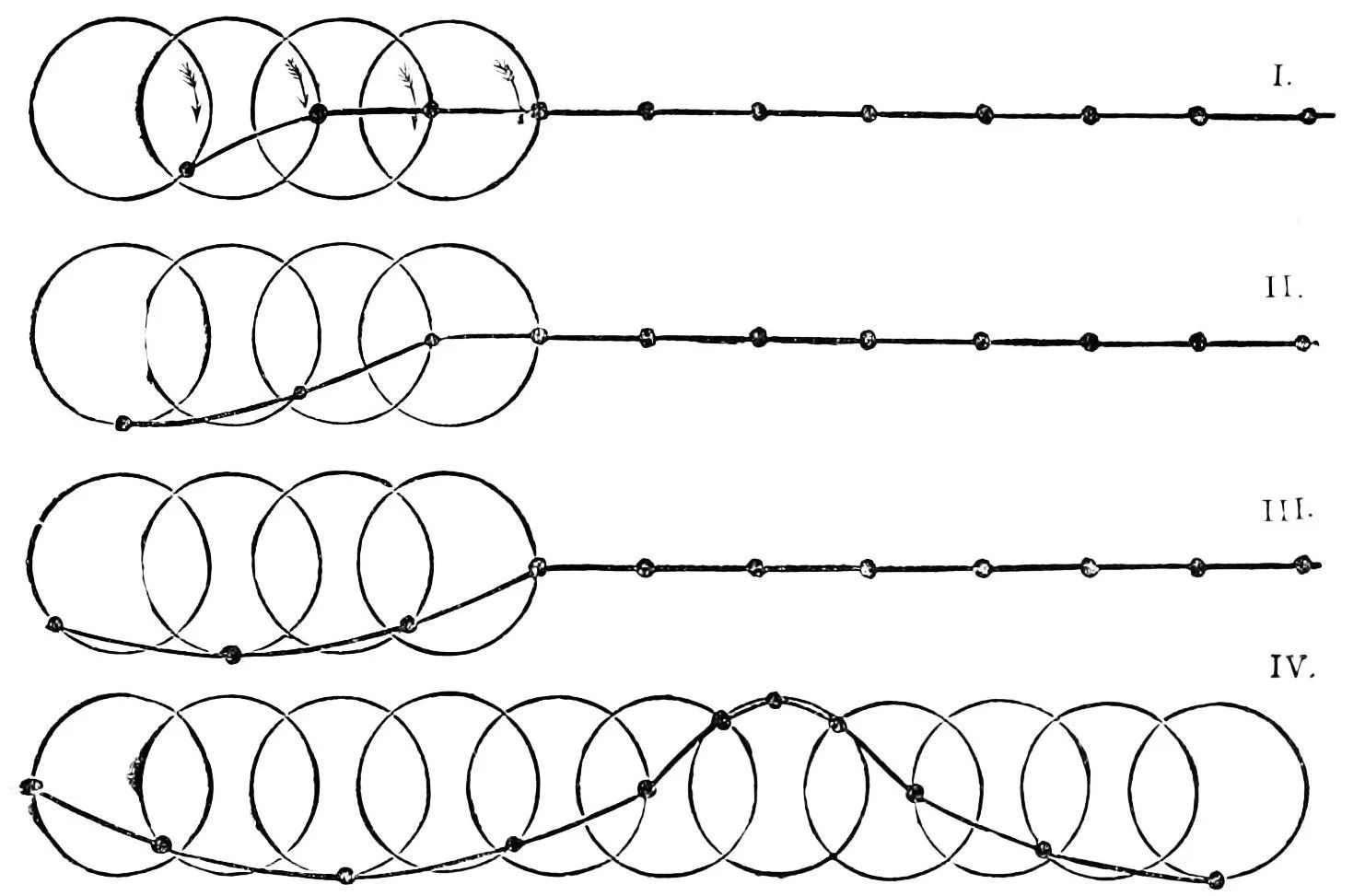
Wave formation by circular motion. (Public Domain)
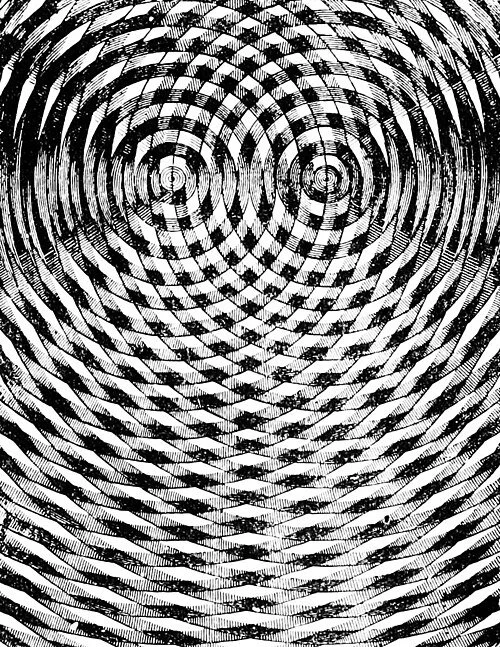
Fig. 1.—Superposition of Two Wave-Systems. (Public Domain)
"I did not become someone different that I did not want to be, but I'm new here." — Gil Scott Heron
〰️
"I did not become someone different that I did not want to be, but I'm new here." — Gil Scott Heron 〰️
WHO ARE WE
Established in the summer of 2020, Dark Laboratory is a not-for-profit climate research organization with almost thirty members worldwide from Portland to London to New York to Trinidad. With locations on the Upper East Side of Manhattan, NYC’s Governors Island, and a tech hub in the Bronx, the Lab centers the crossroads of stolen land and stolen life. Each initiative forms an expanding galaxy of projects on Black and Indigenous futures and media ecologies. We are an engine for collaboration, design, and the study of race and ecology through creative technology and non-linear storytelling at the intersection of scholarship, art, and theory. The Lab has received grants from the National Endowment for the Humanities, the Ruth Foundation, the Mellon Foundation, and the Ford Foundation.
Laboratory as verb
Members (theoreticians and technicians) of Dark Lab are engaged in the study of race, climate, and technology. We have hosted over twenty artists-in-residence. Together we have published multiple authored peer-reviewed journal publications, staged contemporary art installations, commissioned multi-sensorial activations, produced curatorial writing, podcasts, sound sculptures, public programming, midnight writing circles, and DJ sets. As an organization, we have participated in residencies and creative consulting in higher education, with private corporations, community-based non-profits, and with museums.
HIGH TIDE: Events, Highlights and Outgoing Movement
VisIt to the Galapagos Islands, Ecuador
Our executive director, Tao Leigh Goffe, visited Ecuador by invitation of Ecuadorian-born Chinese artist Cecile Chong. There she was able to study more about guano formations and island geologies.
Hunter College Community Engagement Seed Grant
Dark Laboratory won a Hunter College Community Engagement Seed Grant, a $5,000 seed grant that will be contributed to our ongoing partnership with the Boys Club of New York, which began in 2023. The grant will fund a speaker series in development on sonic knowledge in the Bronx.
Dark Lab - The Hunter College Course
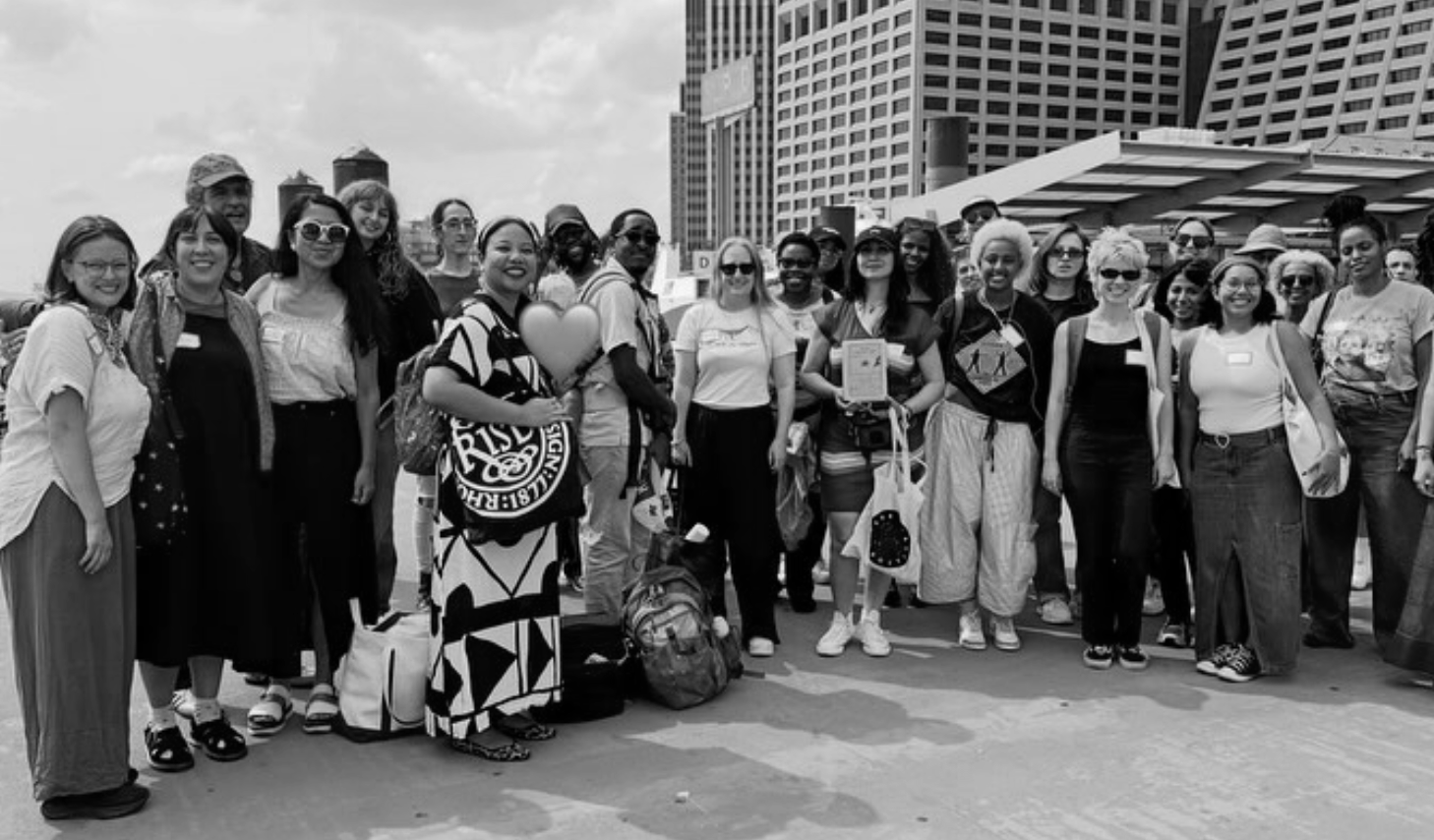
On September 6, nearly 40 folks made of Dark Lab members, students from the “Black and Indigenous Ecologies and Technologies” course, Hunter College staff including Prof. Alex and Rose Moulton and Prof. Emily Crandall, alongside invited friends celebrated Dark Lab’s 5th birthday with a whale watching cruise 🐋 . We did in fact see dolphins performing synchronized aquabatics and contemplated the Haitian Revolution with the soundtracks of humpback whales in the background. Afterwards, we went to a Japanese deli and had a walking tour of lower Manhattan concluding at the Museum of the American Indian - Alexander Hamilton Custom House. Our third year doing this, it’s become something of Lab tradition.
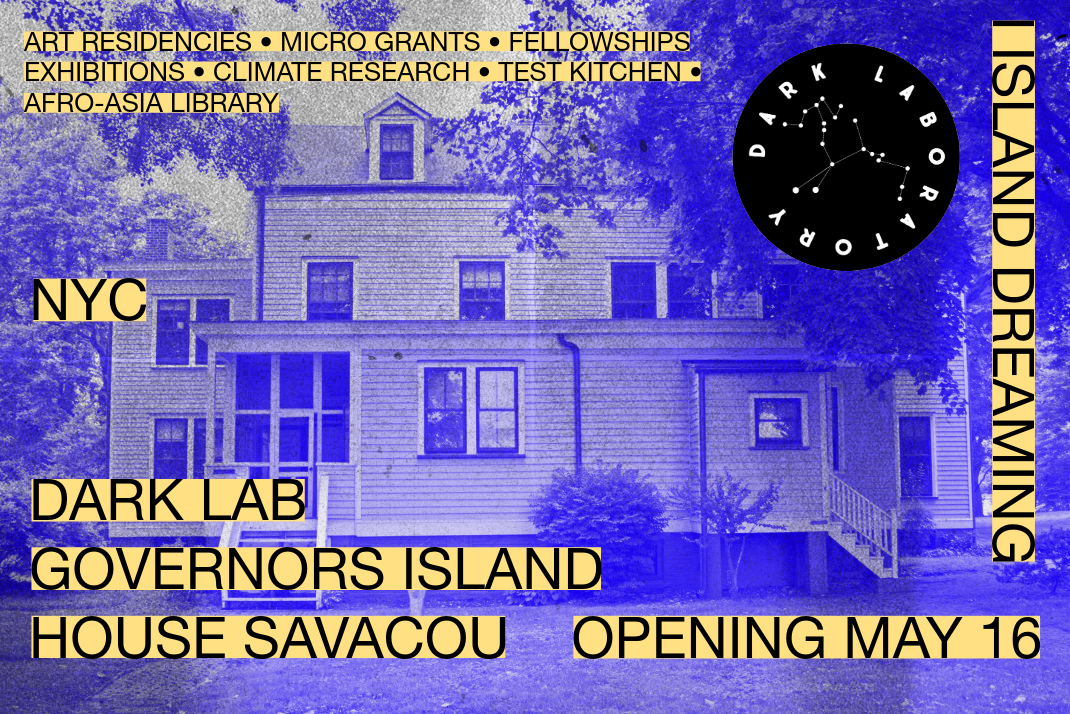
Dark Lab - Governors Island
On May 16, we hosted the grand opening of our new house for Dark Lab on Governors Island.
Fiona Taylor
Our production assistant was promoted in July to Lab Manager. Three cheers for Fiona!
STARS IN OUR CONSTELLATION
〰️
STARS IN OUR CONSTELLATION 〰️
Professor Imani Perry (Harvard University)
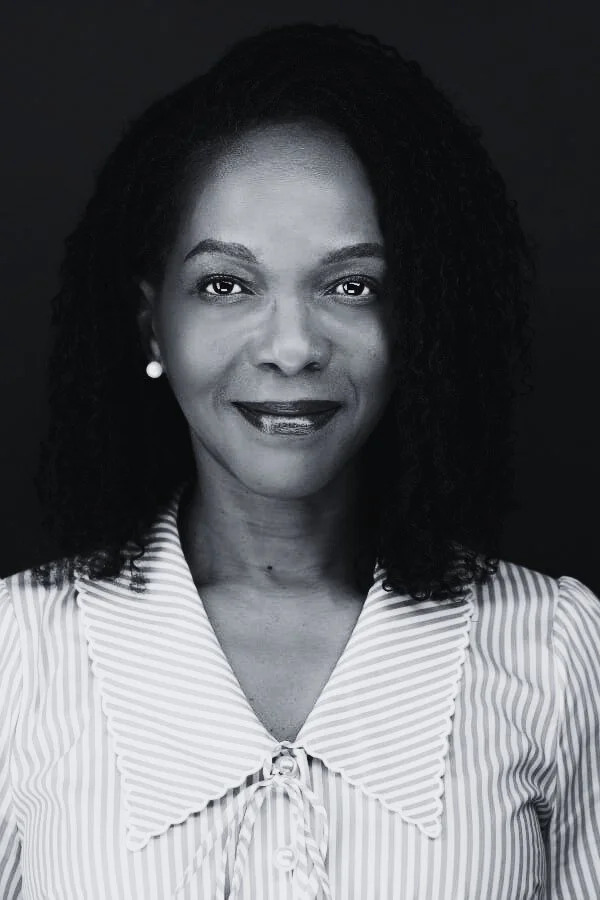
Professor Imani Perry
Dark Lab welcomed esteemed Writer and Harvard Professor Imani Perry to the advisory board. Professor Perry received the National Book Award for Nonfiction in 2022, for her critically acclaimed book, South to America: A Journey Below the Mason-Dixon to Understand the Soul of a Nation. Her writing and scholarship primarily focus on the history of Black thought, art, and imagination crafted in response to, and resistance against, the social, political and legal realities of domination in the West. She seeks to understand the processes of retrenchment after moments of social progress, and how freedom dreams are nevertheless sustained.
Professor Julie Dash (Spelman College)
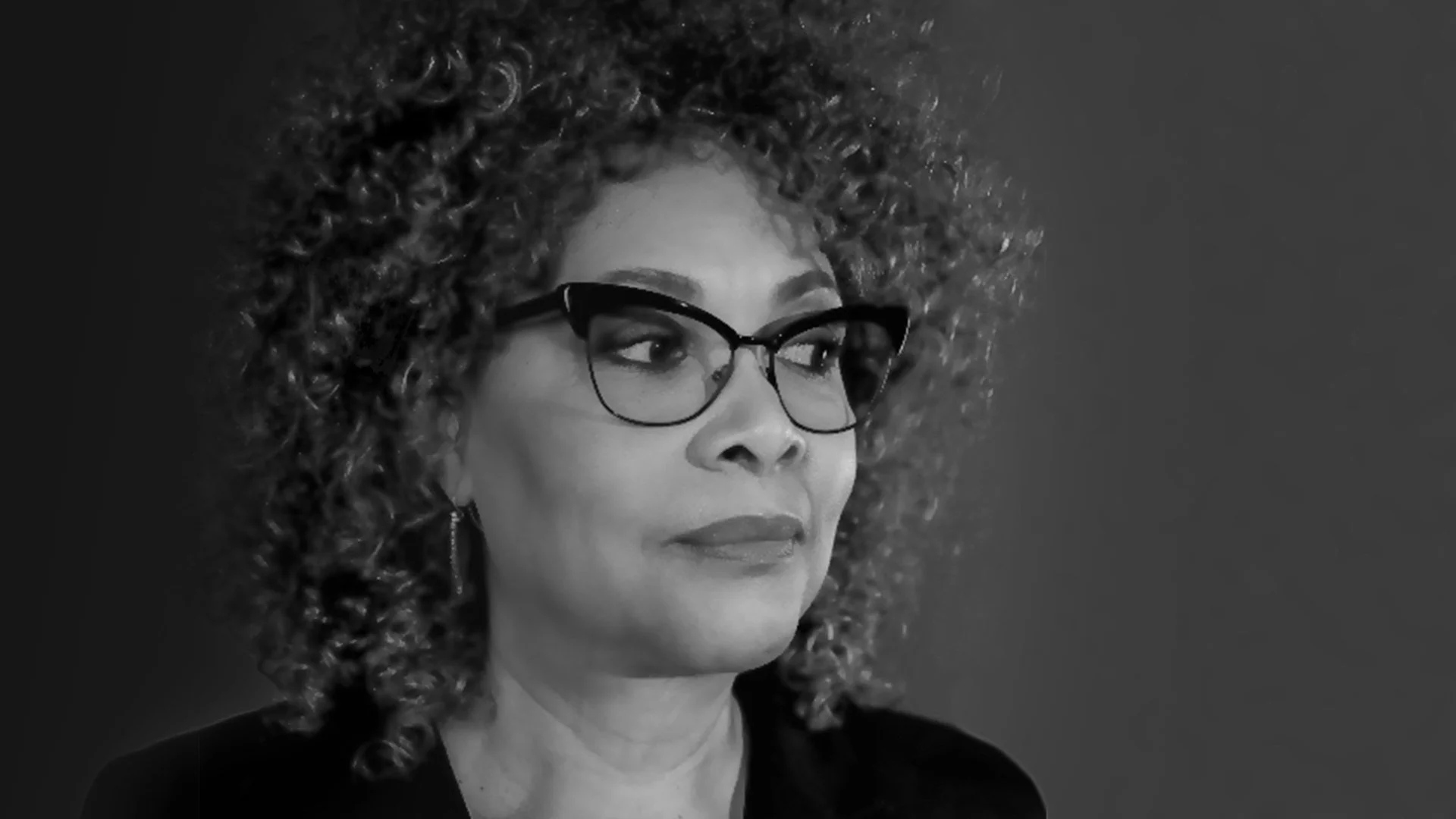
Dark Lab welcomed esteemed Filmmaker and Spelman Professor Julie Dash to the advisory board. Prof. Dash transformed American cinema with Daughters of the Dust, becoming in 1992 the first African American woman to achieve a wide theatrical release for a feature film. Widely recognized as one of the most culturally consequential films of its year, the work redefined how Black women’s lives, histories, and visual storytelling could inhabit the screen. Its legacy has only deepened: in 2014 the film was selected for the National Film Registry.
We are celebrating her first Emmy this year for Outstanding Directing for a Variety Special for her work directing Wanda Sykes's Netflix special, Wanda Sykes: Legacy.
2026 Art RESIDENCIES
〰️
2026 Art RESIDENCIES 〰️
Inaugural Island dreaming
distinguished artists-in-residence
at governors island, NYC
Stephanie Syjuco (artist-in-residence)
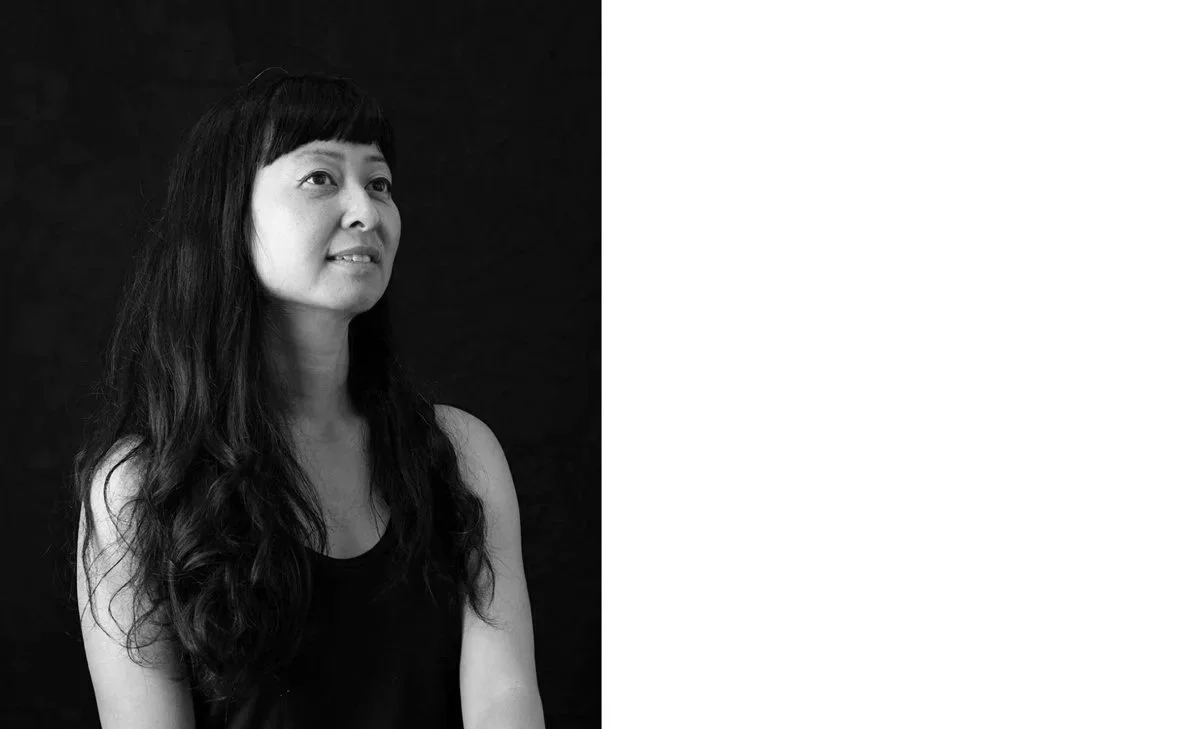
Stephanie Syjuco is a research-based visual artist who works in photography, sculpture, and installation, moving from handmade and craft-inspired mediums to digital editing and archive excavations. Recently, she has focused on how photography and image-based processes are implicated in the construction of exclusionary narratives of history and citizenship. Born in the Philippines in 1974, Syjuco received her MFA from Stanford University and BFA from the San Francisco Art Institute. She is the recipient of a Guggenheim Fellowship Award, a Joan Mitchell Painters and Sculptors Award and a Tiffany Foundation Award. Her work is in numerous collections, including at The Museum of Modern Art, the Guggenheim Museum, the Metropolitan Museum of Art, The Getty Museum, the San Francisco Museum of Modern Art, and the Smithsonian American Art Museum, among many others. She was a Smithsonian Artist Research Fellow at the National Museum of American History in Washington DC and is featured in the acclaimed PBS documentary series Art21: Art in the Twenty-First Century. A long-time educator, she is a Professor in Sculpture at the University of California, Berkeley. She is represented by Catharine Clark Gallery in San Francisco, RYAN LEE in New York, and Silverlens in Manila/New York. She lives in Oakland, California.
writers-in-Residence
Desiree Bailey (poet-in-residence)
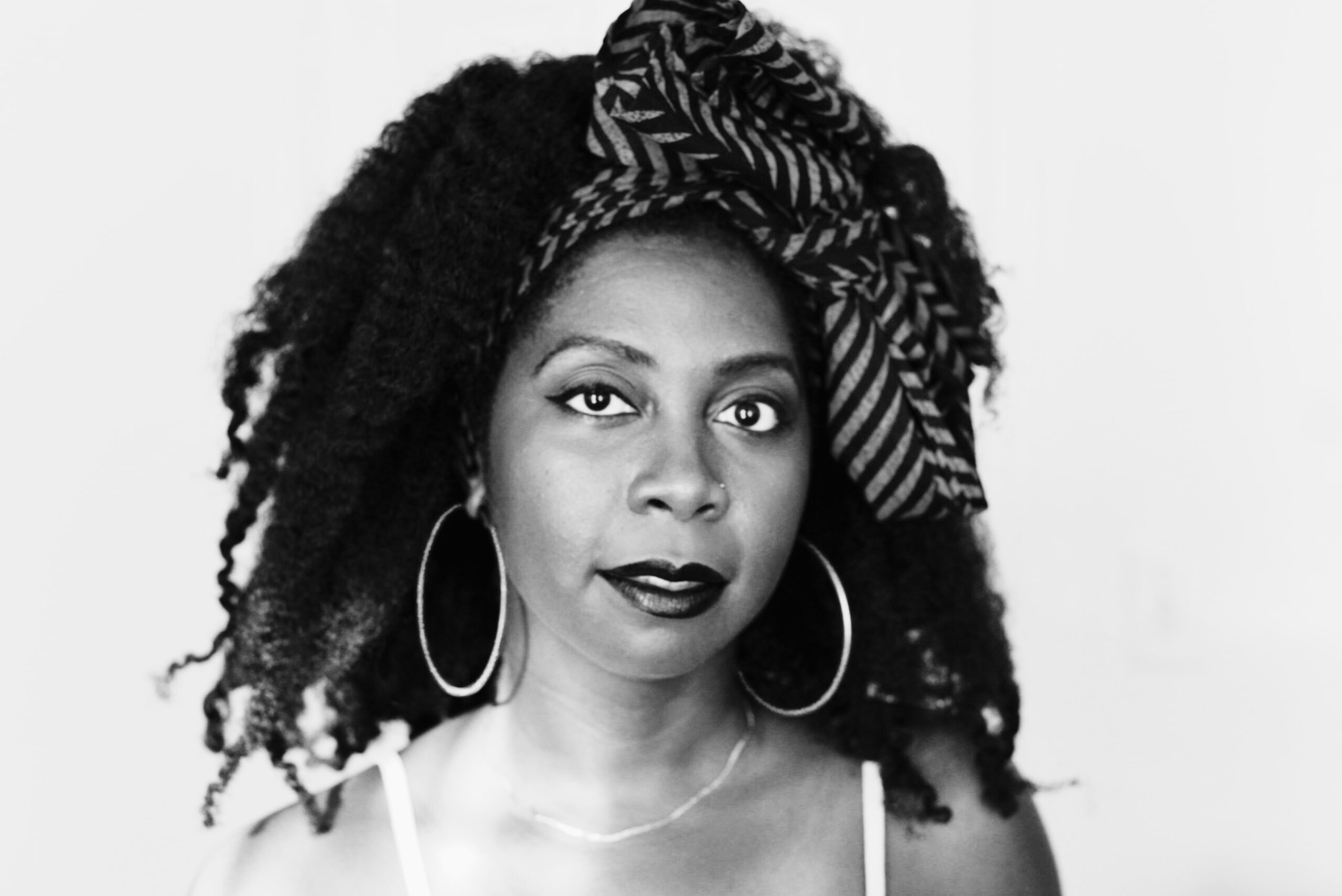
Desiree C. Bailey is a poet and writer from Trinidad and Tobago, and Queens, New York. She is the author of both the poetry collection, “What Noise Against the Cane” andshort fiction chapbook, “In Dirt or Saltwater”. Her poetry and fiction have been published or anthologized in numerous journals and collections, including The Academy of American Poets, American Short Fiction, Best New Poets, Best American Poetry, Callaloo and One World Two: A Global Anthology of Short Stories, in addition to beingthe winner of the Yale Younger Poets Prize. Desiree is currently an Assistant Professor in the MFA for Poets and Writers at the University of Massachusetts Amherst.
Ladee Hubbard (novelist-in-residence)
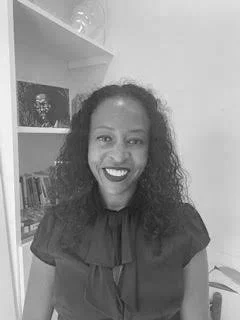
Photo credit: Isa Yasmin-Gonzalez
Ladee Hubbard is a writer whose work explores the variegated repercussions of the instrumentality of race in mediating the broader cultural and political landscape through the excavation of marginalized Black histories. She is the author of the novels The Talented Ribkins and The Rib King, and the short story collection The Last Suspicious Holdout. Her work has received a Hurston/Wright Legacy Award, a Guggenheim Fellowship, a Berlin Prize, a Radcliffe Institute Fellowship and a 2026 Award in Literature from the American Academy of Arts and Letters, among other accolades. She received a BA from Princeton University, a MFA in Dramatic Writing from NYU and a PhD in Folklore and Mythology from UCLA. Raised in New York, Florida and the U.S. Virgin Islands, she currently lives in New Orleans.
creatives-in-residence
Monique Verdin (filmmaker-in-residence)
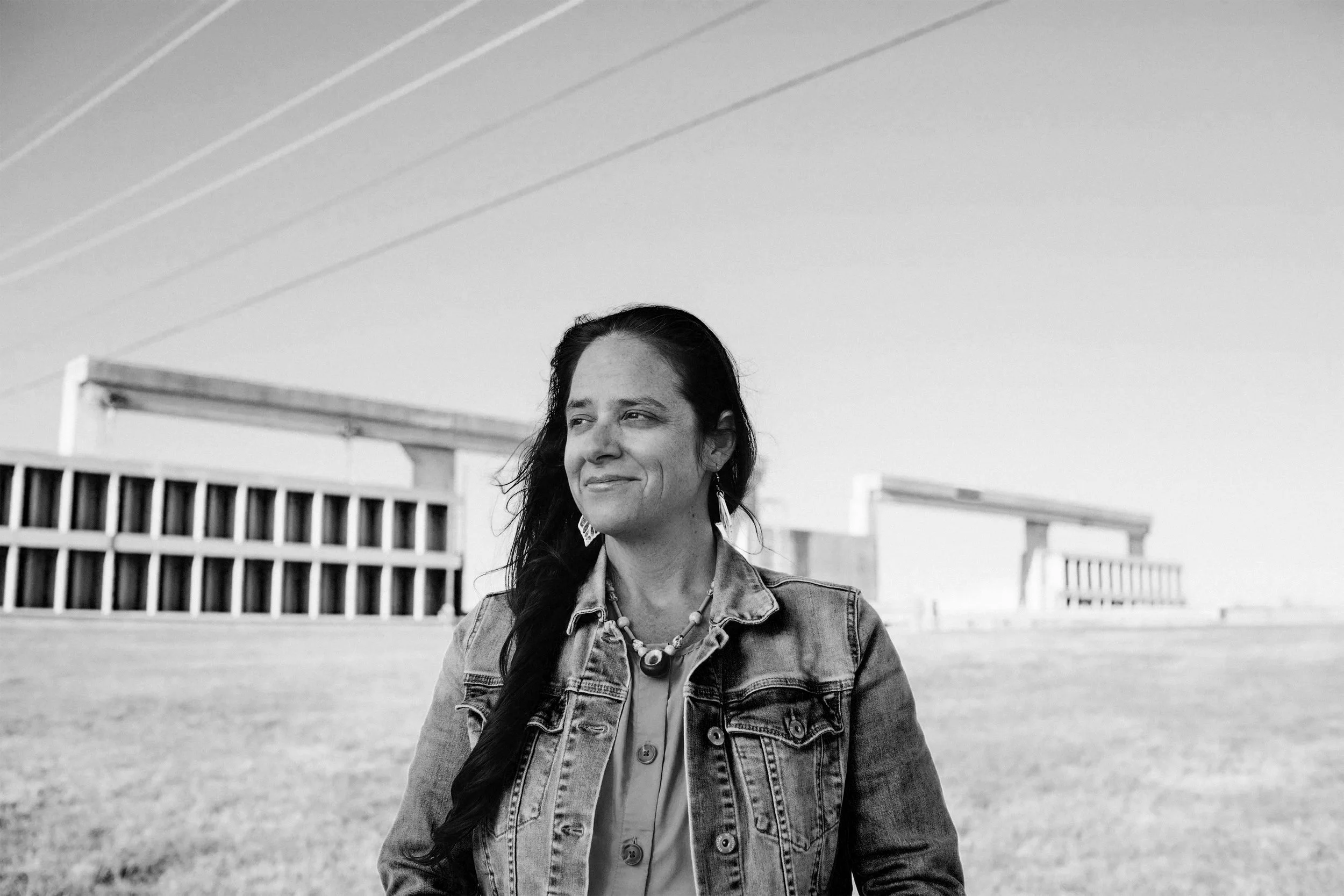
Monique Verdin is an art maker, wild gardener, story keeper, and a citizen of the Houma Nation. She supports the Okla Hina Ikhish Holo, network of Indigenous gardeners, as the Women's Earth and Climate Action Networks Gulf South food sovereignty coordinator. Monique is the primary steward of the Land Memory Bank & Seed Exchange, facilitating community-built record-making, experiential education, research, and site activations celebrating the diversity of coastal communities and native ecologies present in the wetlands, swamps, and prairies of south Louisiana. Monique co-stewards Bvlbancha Liberation Radio and is a SwampNet collaborator - experimenting with autonomous and alternative communications that operate as archives and emergency channels for community connections.
Monique also co-stewards the Nanih Bvlbancha earthen mound on the Lafitte Greenway in New Orleans and is a Gulf South Open School collaborator in residence at the Neighborhood Story Project.
Nathaniel Télémaque (Photographer-in-Residence)
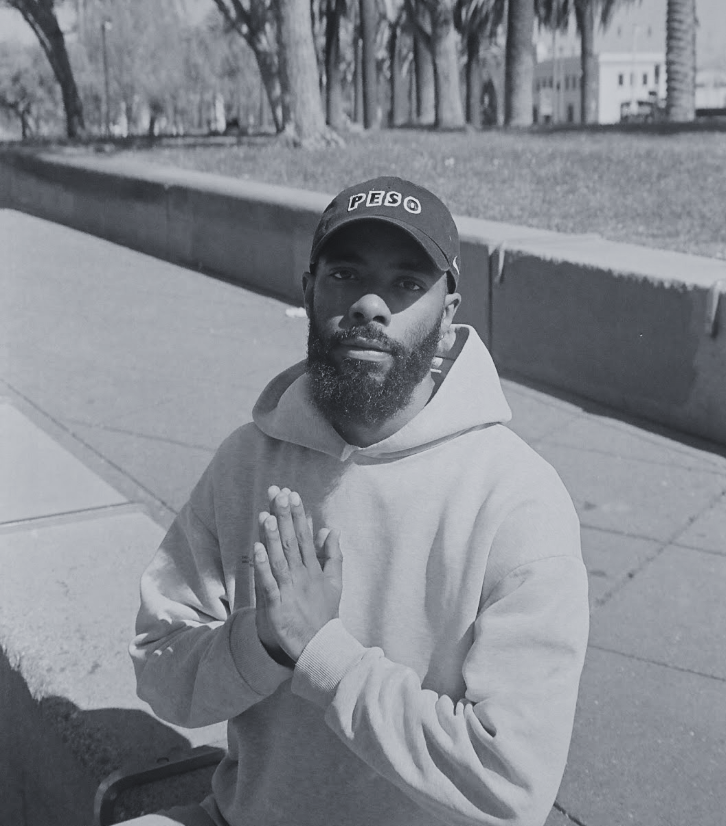
Nathaniel Télémaque AKA “St. Peso” is a North West London-born and raised artist, writer and researcher. Bearing witness to mad cities, poetic Caribbean landscapes and maverick livelihoods, his visual, auditory and literary expression focuses on the daily moments that account for the Black Millennial experience. As a member of The Pesolife Art Collective, he produces, curates and collaborated on audio and visual projects with the support of academic institutions, community groups, and creative peers. He completed his Geography (practice-related) PhD at University College London in 2023 and currently works as a Lecturer in Geography and Social Justice at King’s College London University.
Bobby Joe Smith III (Designer-in-Residence)
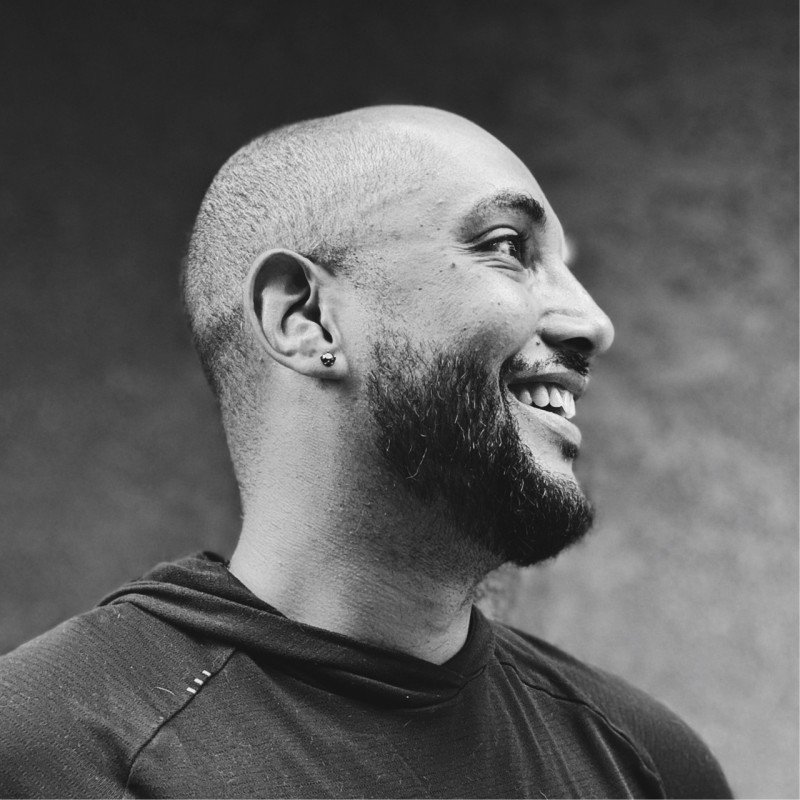
Bobby Joe Smith III is a Black and Indigenous (Lakota) graphic designer and media artist living on the unceded ancestral lands of the Tongva, Tataviam, Serrano, Kizh, and Chumash peoples in Los Angeles, California. His creative practice is a poetic discourse on the utilization of art and design for the advancement of anti-colonial movements and the realization of de-colonial outcomes. He studied graphic design at the Maryland Institute College of Art (Post-Bacc) and the Rhode Island School of Design (MFA) and received an MFA in Media Art from UCLA.
Onye Ahanotu (Sommelier-in-Residence)
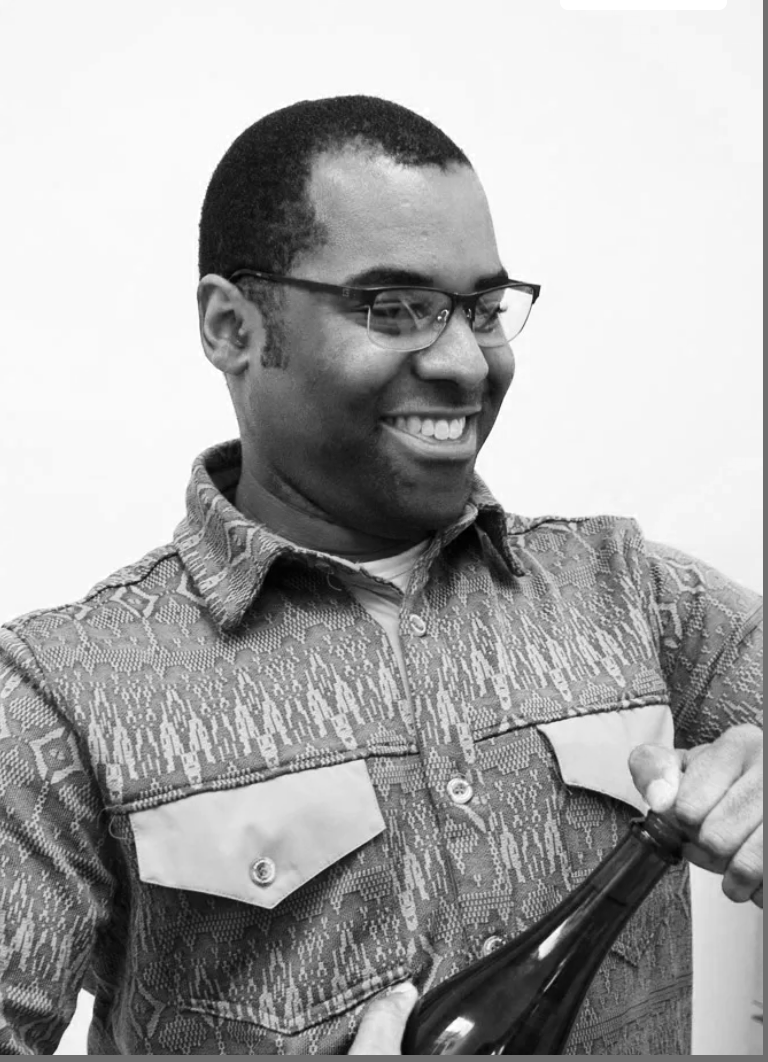
Onye Ahanotu’s work is transdisciplinary, integrating engineering, science, art, and design to explore innovative design strategies and creation methods. His focus is on developing practical innovations that lead to strategic or provoking outcomes. Ahanotu’s experience at the intersection of technology development, design, and strategy began to codify at Harvard’s Wyss Institute for Biologically Inspired Engineering, where he contributed to the development of materials technology inspired by natural systems to address issues like marine fouling and sepsis. He also collaborated with the Harvard Graduate School of Design on adaptive material architecture, such as using ferrofluids as a fugitive mold to create complex patterns. Often spanning multiple disciplines, Onye is now working at the interface of food, culture, and biology with his company Ikenga Wines. Through biodesign, he is bringing representation of cultures across the global while also leapfrogging traditional, resource-intensive approaches to production.
2025 Art Residencies UPDATES
Hashem Abushama (chef-in-residence)
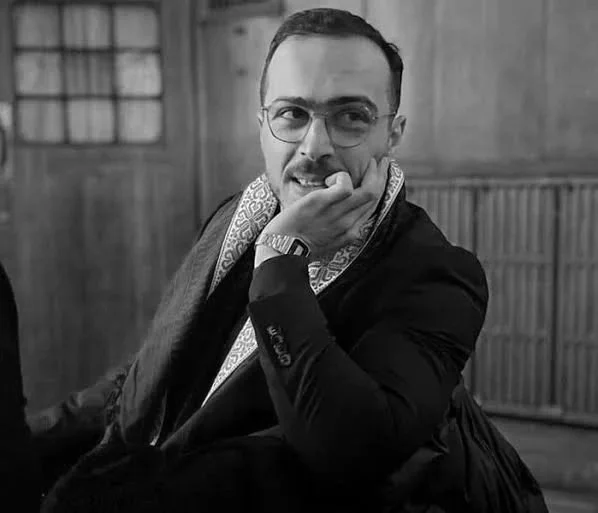
Dr Hashem Abushama is an Associate Professor in Human Geography and Tutorial Fellow at St Peter’s College. He holds a DPhil in Human Geography and an MSc in Refugee and Forced Migration Studies from the University of Oxford, and a BA in Peace and Global Studies from Earlham College in the United States. He is also a EUME Fellow at the Forum Transregionale Studien in Berlin as well as a Senior Fellow at the Institute for Palestine Studies. He has authored several academic and journalistic articles on dispossession, arts, urbanization, the archives, and postcolonial Marxism.
Courtney Bryan (composer-in-residence)
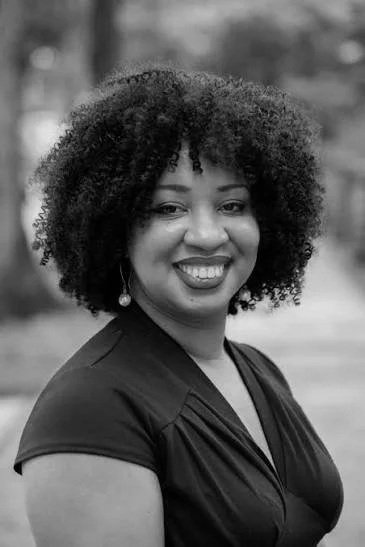
Courtney Bryan, a native of New Orleans, La, is “a pianist and composer of panoramic interests” (New York Times). Her music is in conversation with various musical genres, including jazz and other types of experimental music, as well as traditional gospel, spirituals, and hymns. Focusing on bridging the sacred and the secular, Bryan's compositions explore human emotions through sound, confronting the challenge of notating the feeling of improvisation. Bryan has academic degrees from Oberlin Conservatory (BM), Rutgers University (MM), and Columbia University (DMA) with advisor George Lewis, and completed postdoctoral studies in the Department of African American Studies at Princeton University. Bryan is the Albert and Linda Mintz Professor of Music at Newcomb College in the School of Liberal Arts, Tulane University and a Creative Partner with the Louisiana Philharmonic Orchestra. She was the 2018 music recipient of the Herb Alpert Award in the Arts, a 2018 Hermitage Fellow, a 2019 Bard College Freehand Fellow, a 2019-20 recipient of the Samuel Barber Rome Prize in Music Composition, a 2020 United States Artists Fellow, and a 2020-21 Civitella Ranieri Fellowship recipient.
Maya Cozier (filmmaker-in-residence)
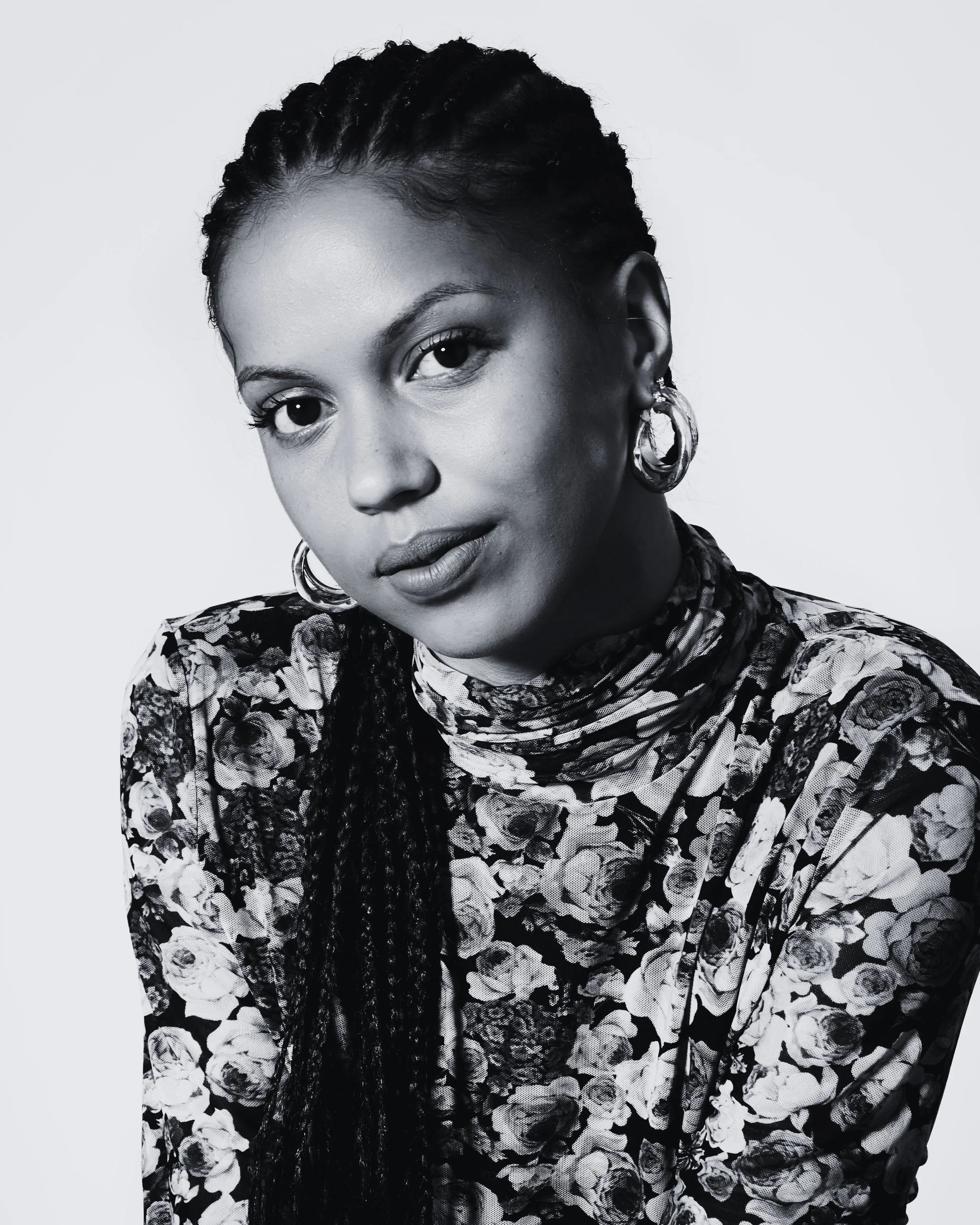
Dark Lab welcomed Maya Cozier as our Filmmaker in Residence. (2022-2025 She is in development for her sophomore feature film, Queen of Newburgh, with Archer Gray and currently teaching at Reel Works where she leads the writing/directing fellowship for young adults.
We look forward to more from Maya!
Jeremy Dennis (photographer-in-residence)
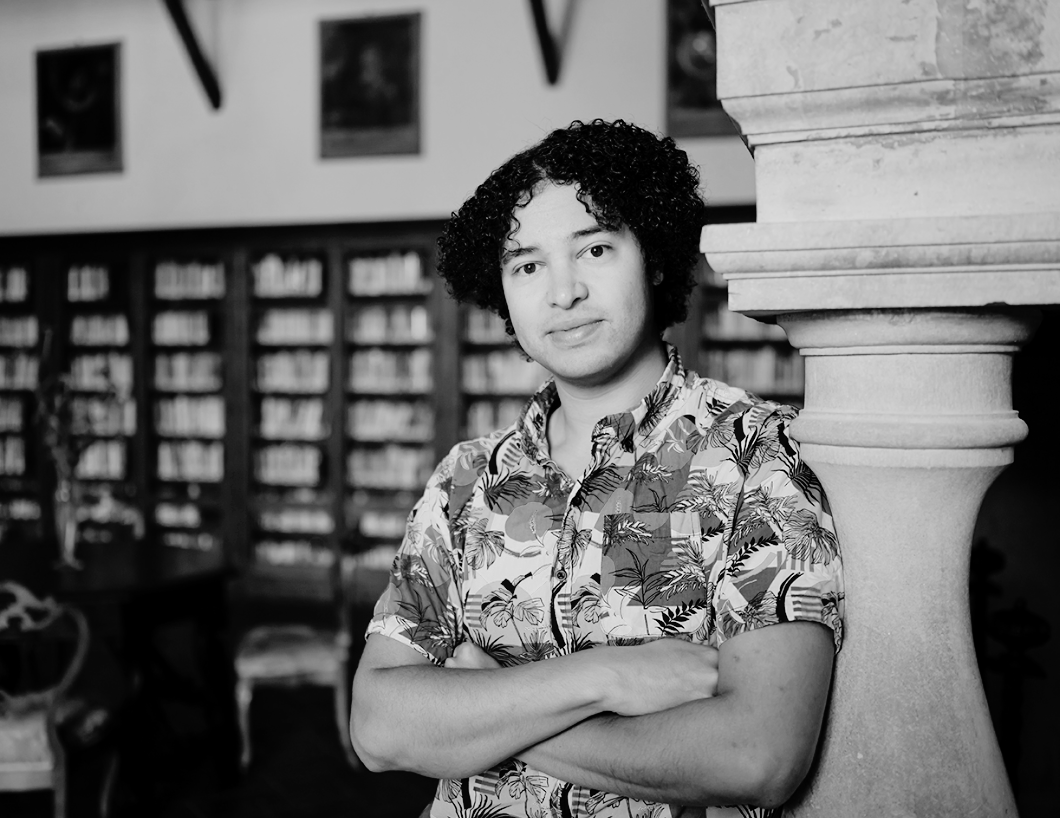
Jeremy Dennis is a Shinnecock photographer and storyteller whose work centers Indigenous presence, sovereignty, and the layered histories of Native Long Island. He is currently continuing “On This Site” – Native Long Island research across western Long Island and Nassau County, including Cold Spring Harbor and the Huntington region, while preparing for an upcoming exhibition in Freeport, NY. His work is currently on view at the Hofstra Art Museum and the Huntington Historical Society, where he reflects on the 250th commemoration of the United States through a Native lens, while also directing Ma's House & BIPOC Art Studio, Inc. - welcoming artists year-round to engage with Shinnecock history through residencies and public programs.
We look forward to more from Jeremy! He is a featured artist in our current exhibition CONTRADICTORY OMENS on display at Dark Lab - Governors Island until August 20, 2026.
New Hires
Ryan C. Clarke — Research Assistant, ‘Dark Blueprints’
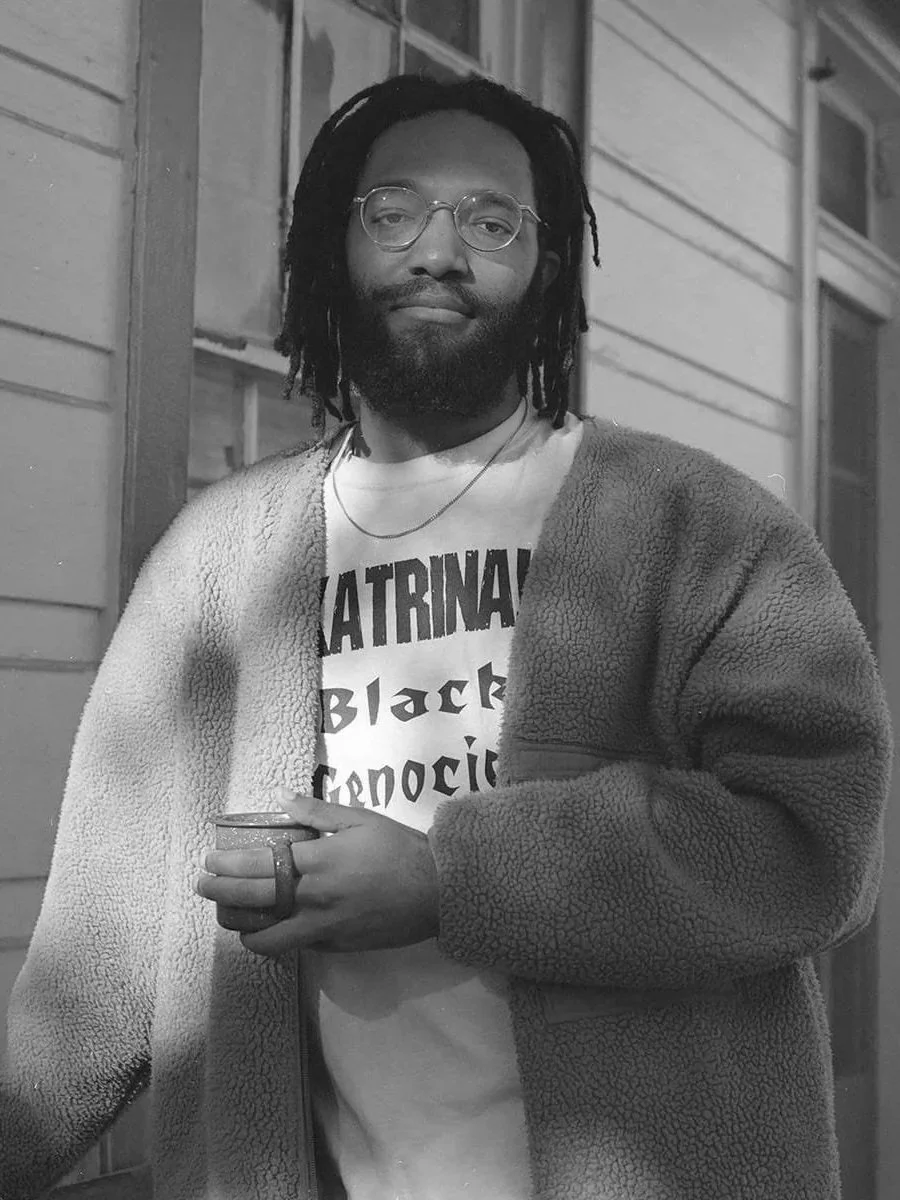
Ryan C. Clarke is a tonal geologist from the southeastern banks of the Mississippi, and an editor and curator at Dweller Electronics. His work has been published and presented by Rivers Institute for Contemporary Art and Thought, e-flux journal, Rhizome, Burnaway, Terraforma, Harvard’s Hiphop Archive & Research Institute, and MoMA PS1. With Dweller, Clarke produces festivals and publications that center the perspectives of Black electronic musicians.
Emily Yang — Research Assistant, ‘Milk’
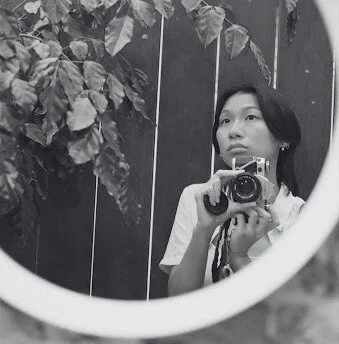
Research Assistant Emily Yang/楊佳諭 is a Taiwanese writer, editor, and educator raised in Taipei, which occupies unceded Ketagalan land. Currently based in Brooklyn, NY, their writing illustrates the relationship between how the structures of violence narrate our cultural scripts, leading to imagination confinement, further stripping our capacity to care for one another in materially constructive and communally resourced ways. Their work can be found in venues such as Black Warrior Review, Foglifter, and Passages North. They are a 2026–27 Editorial Fellow at Shenandoah, a 2025 Lambda Literary Fiction Fellow, and a 2024–25 Steinbeck Fellow. Currently, Emily is revising a novel and short story collection. Check out more of their work here.
Juan Venegas — Research Assistant, ‘Black Capital, Chinese Debt’
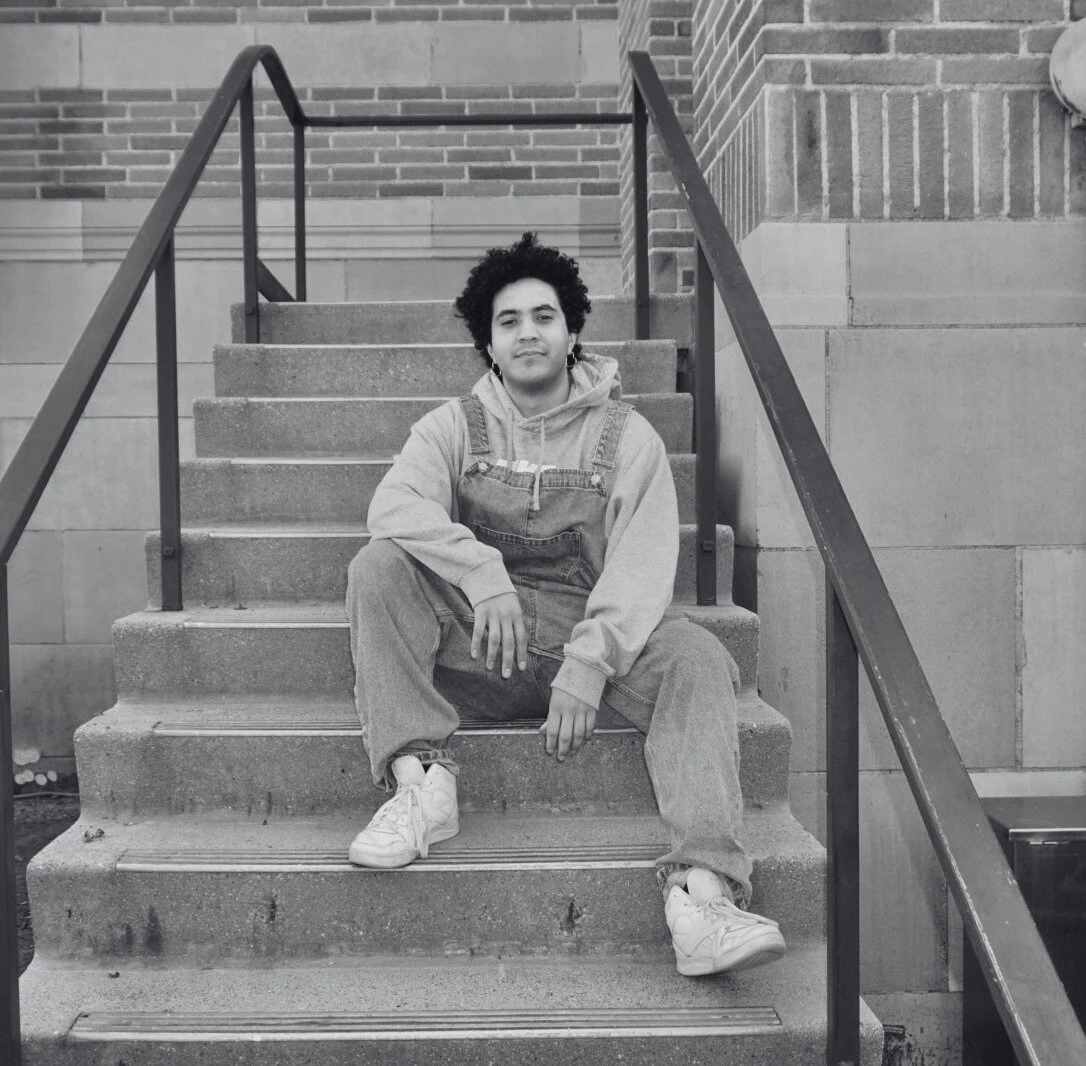
Juan is a first-year Ph.D. student in UCLA's Department of Chicana/o and Central American Studies. He is a queer Afro-Mexican with research interests dedicated to uplifting the inter-ethnic histories of Black and Brown communities. His goals include circulating this knowledge within the communities of his ancestors to improve race relations and raise awareness of the U.S-Mexico borders history. Juan has an entrenched orientation in these regards including collaborations to archive and curate public records previously meant to be destroyed by the Los Angeles Police Department, supported by UCLA's Million Dollar Hoods (MDH) and Archiving the Age of Mass Incarceration (AAMI), having worked on UCLA's Mapping Deportations, which maps U.S. deportations from 1895-present, and joining the Dark Lab Team as our Research Assistant for Dr. Goffe’s forthcoming book, Black Capital, Chinese Debt.
Marialuisa Monda — In-House Archivist
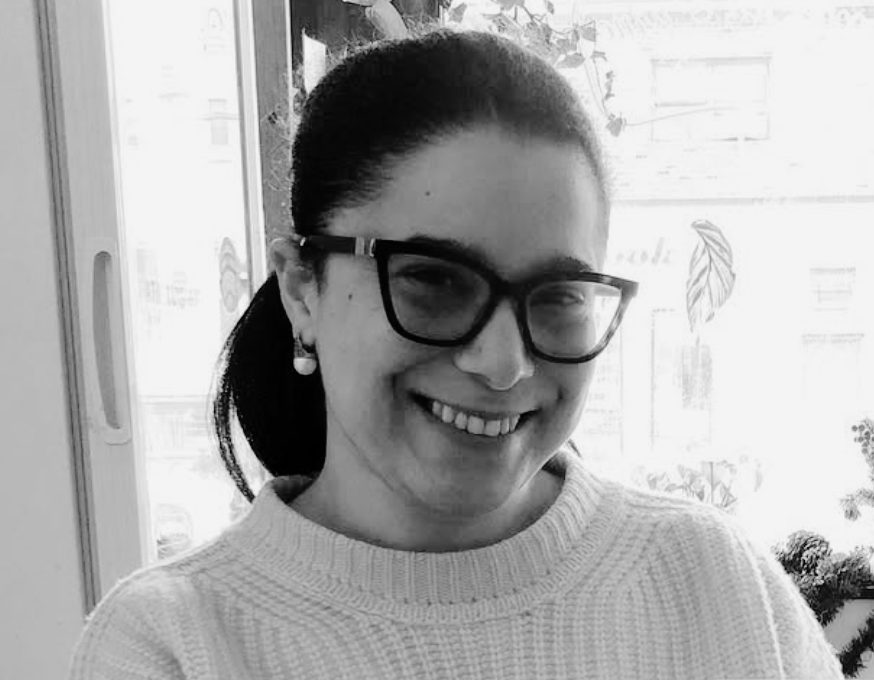
Marialuisa Monda, our In-House Archivist. Marialuisa is a Jamaican Italian New Yorker, writer, and folklorist. She has worked at the New York Society Library—the oldest library in New York City—for over six years as a Programming and Communications Assistant, with cultural institutions. Marialuisa is a book lover extraordinaire and writer, who draws on her rich heritage to archive fantasies of the future.
Tajah Ellis — Textile Workshop Leader
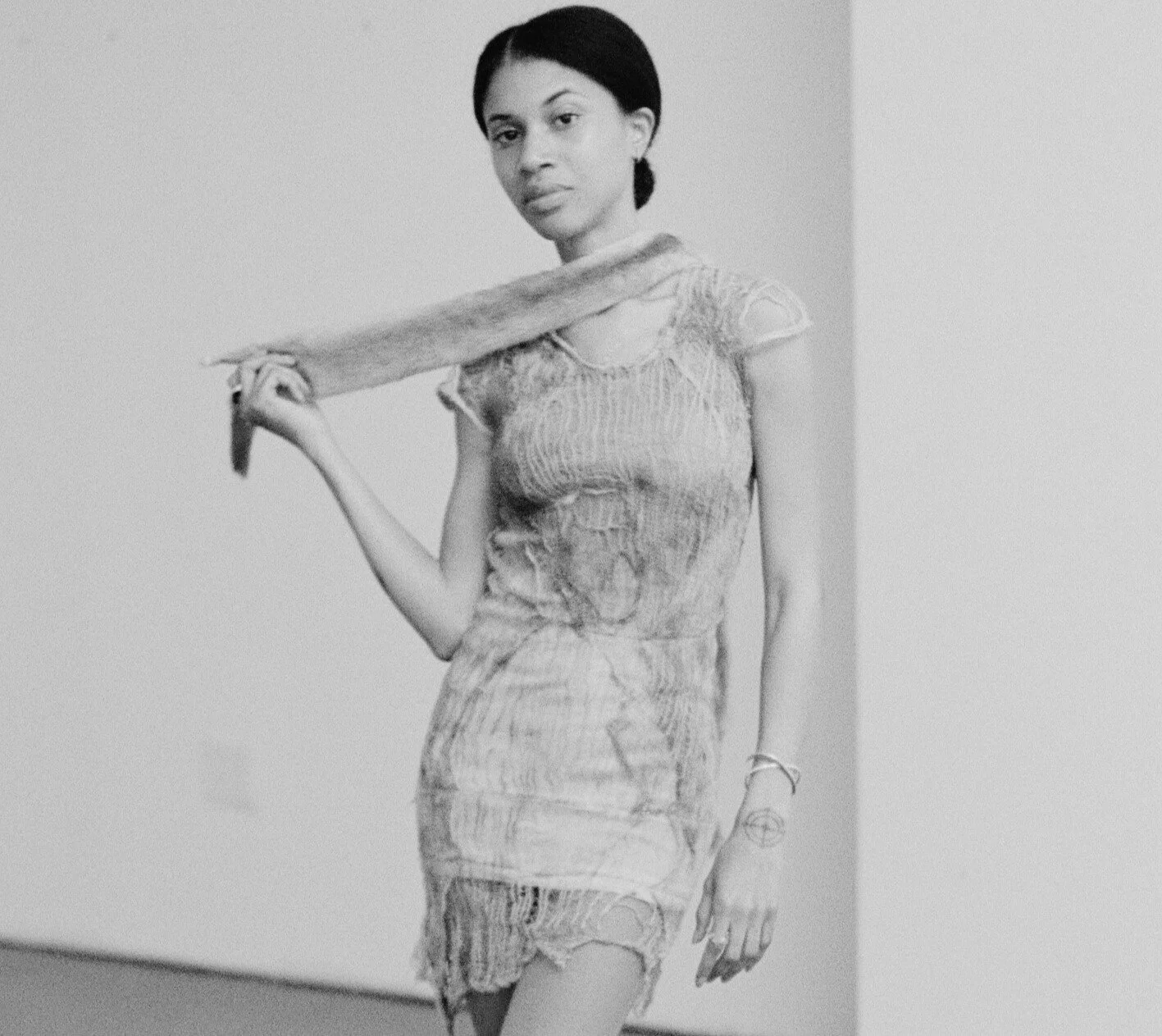
Tajah Ellis led a indigo dyeing workshop at House Savacou. A born and bred Bed-Stuy native with ancestral waters hailing from Belize, Ellis is a trained writer with a B.S in Journalism via Brooklyn College. Tajah has since pivoted into the biological functions of textiles and design, cultivating an artisanship that explores the regenerative mechanisms of intuitive chemistry, biological emergence and organic mapping. As an attendant of Waag Institute’s Fabricademy, Genspace’s Artist in Residence, NEW INC’s Creative Science Cohort, as well as the upcoming recipient of The Laundromat Project’s Create Change Fellowship and an FIT Sustainability Mentor, Tajah’s work with bio-materials and ecological excavation for dyes and pigments transforms plant matter into a vibrant range of colors, textures and patterns. Tajah grounds Pan-African and Afro-Indigenous continuity through alternative calculating systems with her research on algae, logwood and crystals by way of her re/de-construction practice, OUTOFSEAM and her research-based, dream-driven journal, ‘noon’.
Acknowledgements: Written by Tajah Ellis and edited by Fiona Taylor
Subscribe to this newsletter to keep updated for more.